Comments on Science and Technology
-
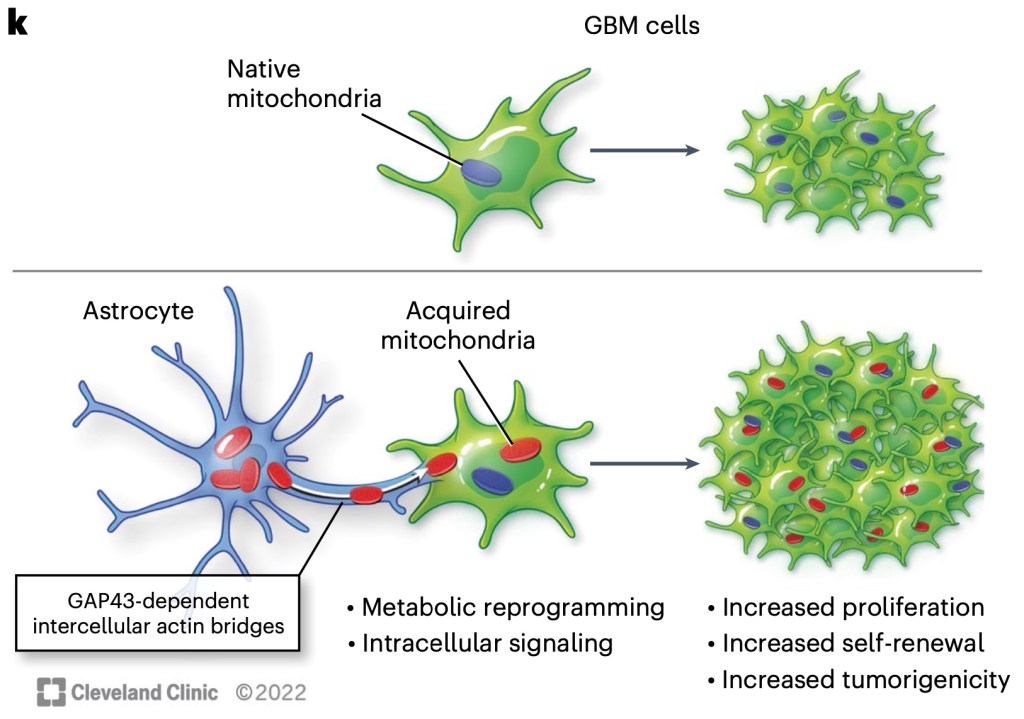
To proliferate and self-renew, cells of glioblastoma (GBM) need significantly faster metabolism than their ancestral neuronal cells, and for that, they take mitochondria from glial cells, mostly from astrocytes. This is achieved by “hijacking” the healthy mechanism of astrocyte reactivity: growth factor GAP43 produced by GBM cells stimulates astrocytes to produce microtubes that connect their…
-
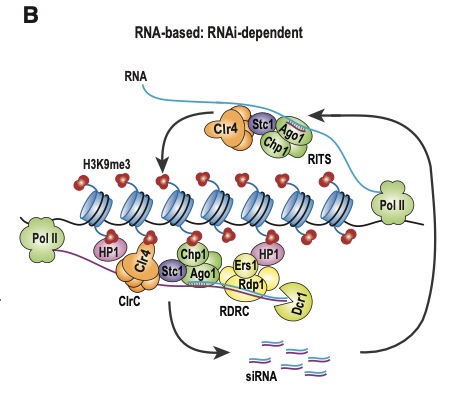
Interpreting gene expression and epigenetic data requires understanding heterochromatin assembly, regulatory mechanisms that can silence gene expression in wider chromosomal regions, and when those mechanisms are blocked, we can observe activation of gene expression. Shiv Greval reviews new discoveries and gives pointers to 204 references in “The molecular basis of heterochromatin assembly and epigenetic inheritance”,…
-
A new paper in Cancer Cell should be a great resource in future work on immunotherapy. Immunotherapy is currently the best method to treat many cancers, but its success is mixed, and long-term side effects occur too. Investigating bulk data is hard without single cell reference because immune cells change gene expression dramatically during immune…
-
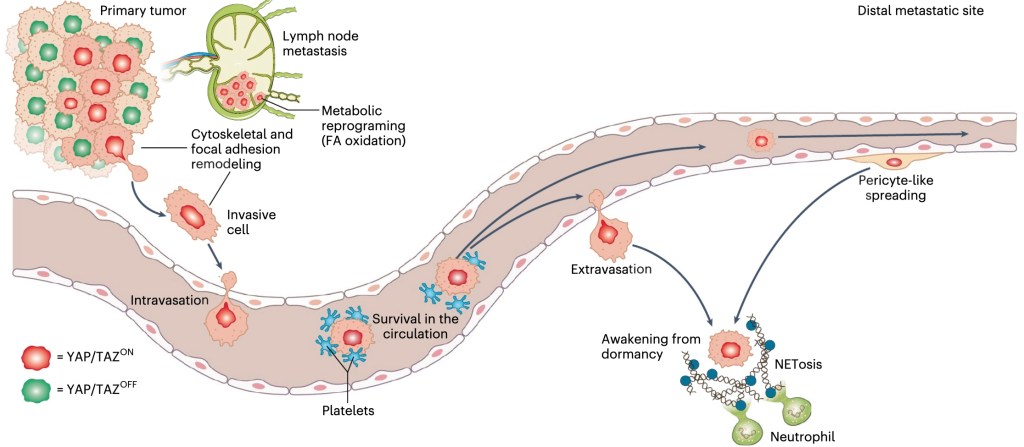
YAP/TAZ can be a trigger in “marine mines” laid by tumors to create delayed metastasis. This is but one of many cancer mechanisms involving YAP/TAZ (a central component of Hippo pathway) reviewed by Piccolo et al. in YAP/TAZ as master regulators in cancer, Nature Cancer, Dec 2022. A marine mine is laid in the sea…
-
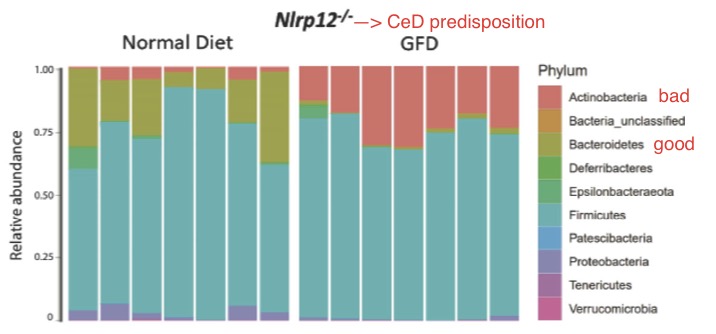
Recent paper by Morrison et al. shows that gluten-free diet (GFD) can cause dysbiosis with consequences like intestinal inflammation, food allergies etc. 25-50% of people have genetic susceptibility to Celiac Disease (CeD) that in a minority of cases leads to this disease, and GFD is currently the only treatment. How about the people with the…
-
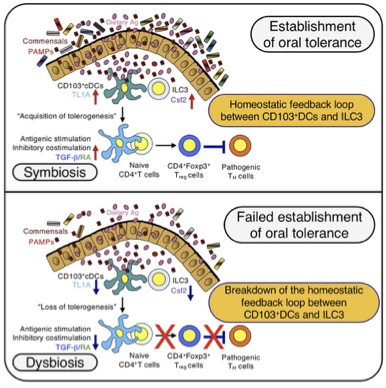
Fukaya et al (Cell Reports 4/25/2023) investigate signaling between leukocytes in the gut with healthy biome, and with dysbiosis, and a mechanism that perpetuates intolerance of beneficial microbes and food allergies. To a non-specialist, this is a fascinating window to immune system, multiple cell types and the intricate system that results in decisions: friend or…
-
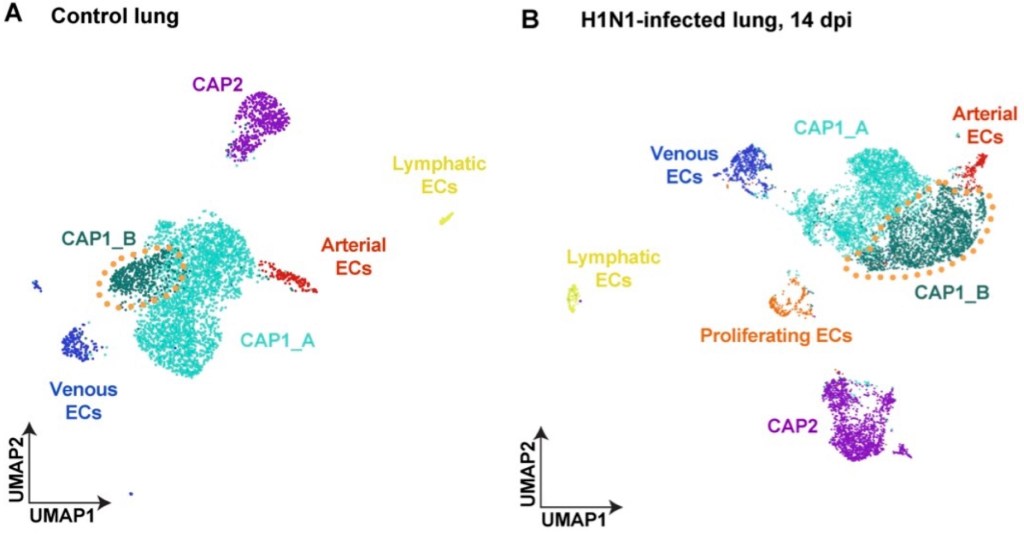
“Atf3 defines a population of pulmonary endothelial cells essential for lung regeneration” by Niethamer at al. 2022 https://doi.org/10.1101/2022.10.14.512212 describes an important discovery in which reanalysis of data previously published by those researchers had a key role. Lung performance relies on proper structure of alveoli, tiny niches in lung where the gas exchange occurs, and these…
-
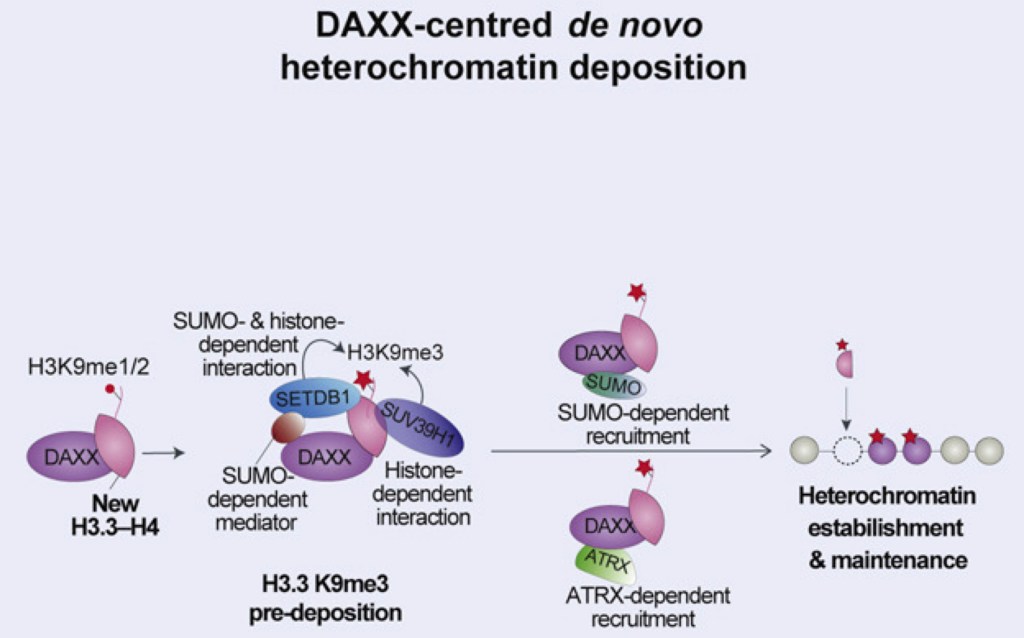
Carraro et al, Molecular Cell, April 2023. Formation and maintenance of H3K9me3 regions involve assembly of new nucleosomes from H3-H4 histone dimers that include H3.3 histone with K9me3 modification. Until now, my image of post translational modifications of histones in nucleosomes was that a mechanism brings a chromatin complex to a location in the chromatin…
-
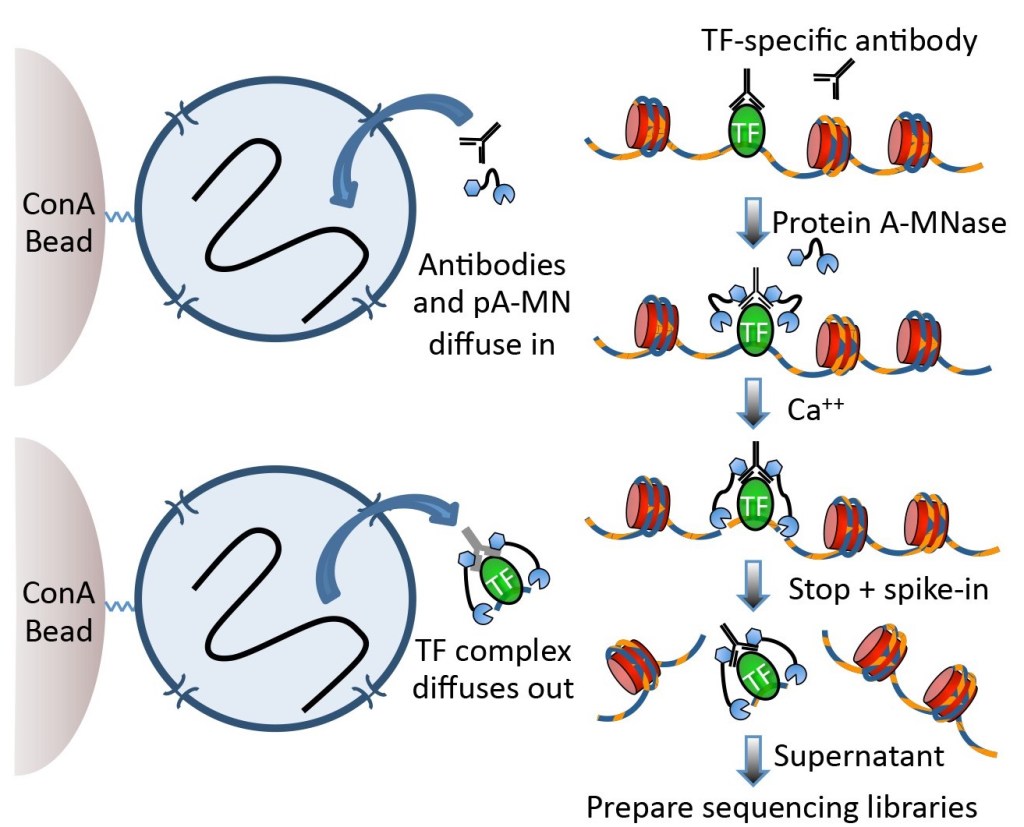
Recent papers on chromatin modification in cells increasingly use CUT&RUN of Skene and Henikoff, 2017. DNA cutting enzymes combined with an antibody enter cell nucleus and cut DNA fragments at sites where antibody binds to antigen, producing short fragments only at antigen binding sites. These short fragments exit nucleus and are collected. This yields very…