-
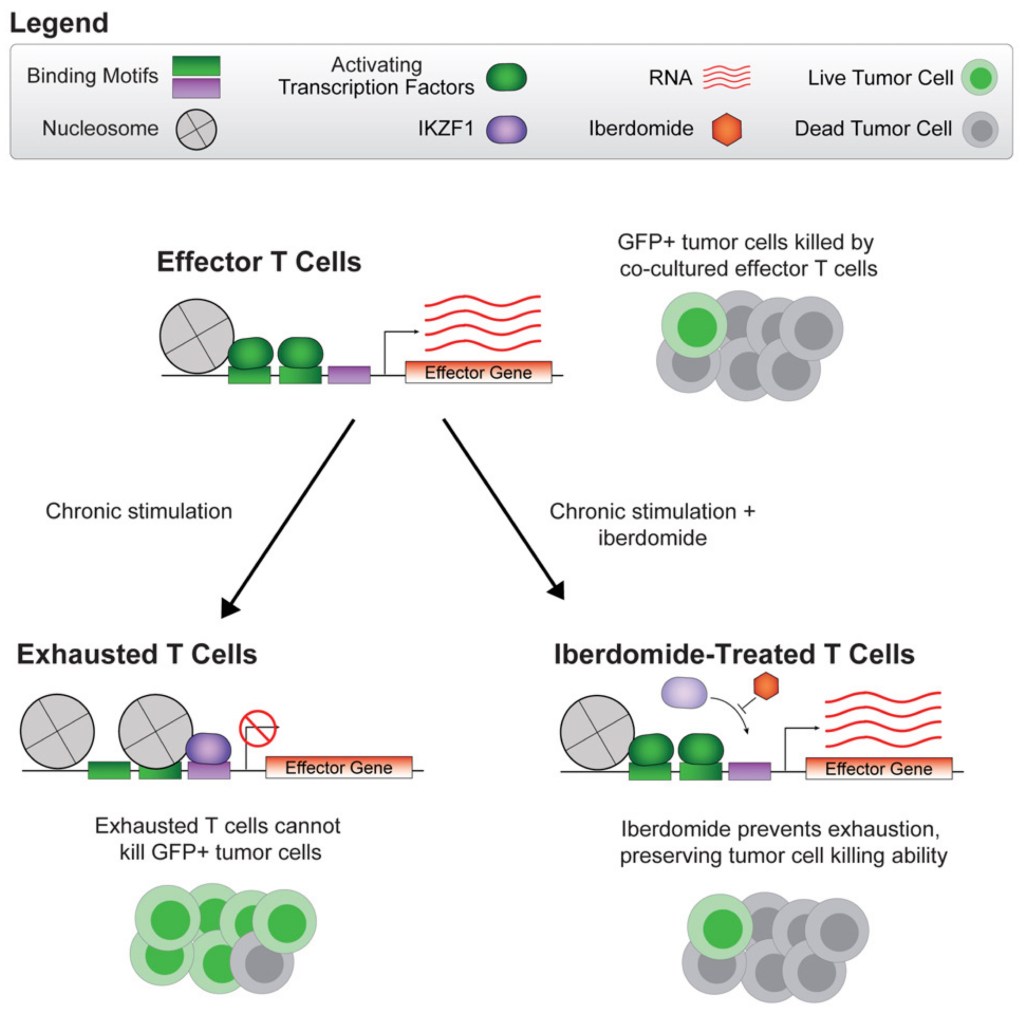
Reversing T Cell Exhaustion: A New Role for IKZF1 Degradation
Read more: Reversing T Cell Exhaustion: A New Role for IKZF1 DegradationIn a recent publication in Cell Report Medicine (November 19, 2024), the authors explore a novel strategy to prevent T-cell exhaustion in the context of immuno-oncology. While adoptive cell therapies involving in vitro modified T cells can avoid immune exhaustion, the uncontrolled proliferation of these modified cells may lead to severe side effects, including potential…
-
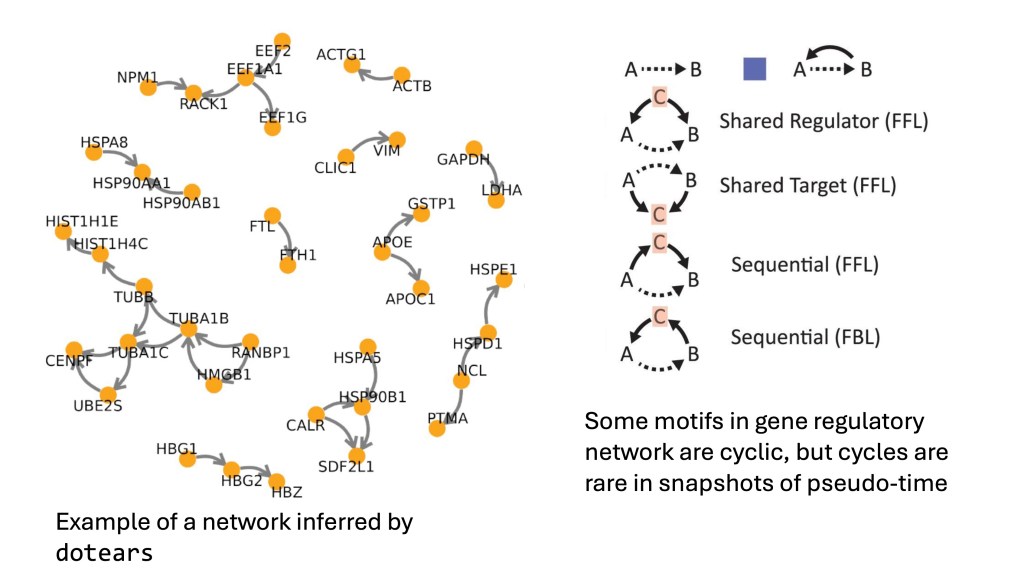
Gene regulatory networks: with cycles or without cycles?
Read more: Gene regulatory networks: with cycles or without cycles?Inferring gene regulatory networks (GRNs) from data such as knockout screens or single-cell assays has many applications. In particular, it helps identify biological mechanisms and enhances the discovery power of GWAS studies. New computational methods continue to improve these results. A gene regulatory network is a directed graph where each arc A → B indicates…
-

Single cell resource for outcomes of immunotherapy
Read more: Single cell resource for outcomes of immunotherapyA new paper in Cancer Cell should be a great resource in future work on immunotherapy. Immunotherapy is currently the best method to treat many cancers, but its success is mixed, and long-term side effects occur too. Investigating bulk data is hard without single cell reference because immune cells change gene expression dramatically during immune…
-
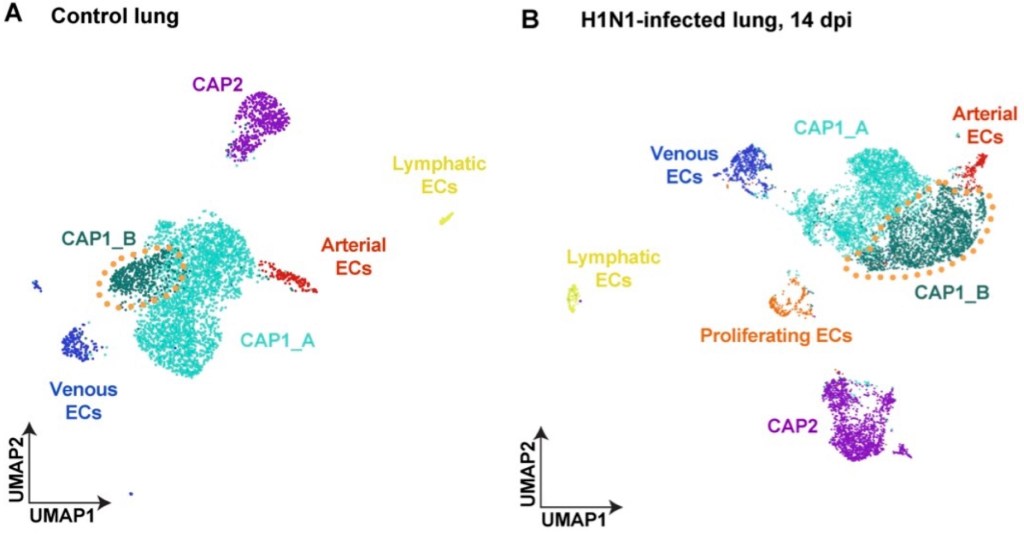
Lung regeneration and reanalysis of data
Read more: Lung regeneration and reanalysis of data“Atf3 defines a population of pulmonary endothelial cells essential for lung regeneration” by Niethamer at al. 2022 https://doi.org/10.1101/2022.10.14.512212 describes an important discovery in which reanalysis of data previously published by those researchers had a key role. Lung performance relies on proper structure of alveoli, tiny niches in lung where the gas exchange occurs, and these…

 Jieun Jeong (정지은), Ph.D.